
When you walk on foot, the world slows to a human tempo — trees, buildings, and sky unfold at a pace your eyes and mind can actually savor.
Walking requires no membership, no special outfit beyond decent shoes, and no choreography to memorize. Many people include regular walking at a conversational pace as part of an active lifestyle. Steady walking can be a simple way to add movement to your day — left foot, right foot, at a rhythm that feels sustainable.
What makes walking "soft" is intention. You are not power-walking to beat a clock. You are letting your stride find a length where breathing stays easy and shoulders stay low. That might be slower than people around you on a Chicago sidewalk, and that is entirely fine.

Many people find that a steady walking rhythm and time outdoors offer a welcome change from screen-focused routines. Your peripheral vision catches everyday details — branches shifting, clouds moving, neighbors passing — which can give your attention a simple, neutral focus.
Try leaving headphones behind for the first ten minutes. Notice sounds, colors, and textures around you. This is not a formal practice with rules; it is one way to step away from a hurried mindset without needing any special equipment.
Time spent walking in parks or tree-lined streets is a common part of many people's activity routines. Experiences vary — the value is often in the habit itself, not a specific outcome.
In winter, watch for ice and shorten stride. In summer heat, walk earlier or later and carry water. Supportive shoes with room for toes prevent blisters during longer neighborhood loops.
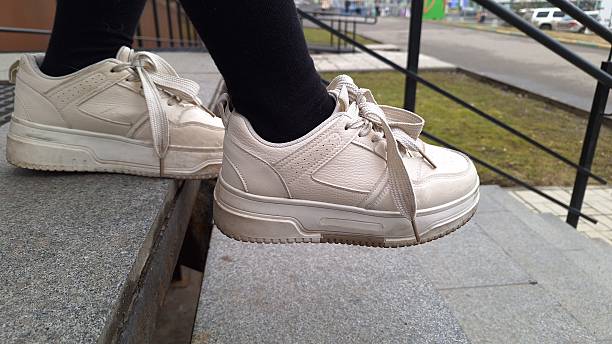
Join community walks designed for conversation-friendly pacing and mindful pauses.
Meet at Damen Ave location. Forty-minute loop with two seated breathing breaks. All paces welcome; we regroup at corners.
Evening walk focusing on unwinding after work. We practice slowing transitions from a busy mind to evening rest.
Extended fifty-minute walk with brief posture resets at benches. Bring water and sun protection.
Mindful pacing through tree-lined streets. We discuss foot placement and arm swing for comfortable longer walks.
Shorter outdoor loop plus indoor cool-down stretches. Layering strategies and safe sidewalk navigation in low light.
Gentle neighborhood stroll to reset during busy season. No distance goals — conversation-friendly rhythm only.
Walk facing traffic where no sidewalk exists. Wear visible clothing at dusk. Tell someone your route for solo evening walks. Stop if you feel chest discomfort, unusual dizziness, or pain that worsens with each step — rest and seek appropriate care.